
Treatment Services
When people come in, they’re usually not looking for a specific technique.
They’re looking for relief, better movement, or answers as to why something keeps coming back.
That’s why sessions here don’t start with choosing a treatment method.
They start with assessment.
I look at how your body is moving, where strain is building up, and what may be contributing to pain or restriction. From there, different techniques may be used within the session depending on what’s needed at the time.
The approaches listed below are not stand-alone treatments you need to decide on.
They are tools I may use as part of a manual therapy session to help reduce pain, improve movement, and support longer-term results.
CORE TREATMENT APPROACHES
Remedial Massage
Used to reduce pain, tightness, and restriction by addressing problem areas found during assessment.
Myofascial Release
Helps improve movement where stiffness or “tight” tissue is limiting how freely your body can move.
Trigger Point Therapy
Targets specific tight or sensitive spots that can contribute to local pain or pain felt elsewhere.
Dry Needling
Often used for stubborn muscle tightness or pain that hasn’t eased with hands-on work alone.
Sports Massage
Supports recovery and movement in people who train, exercise, or place higher demands on their body.
Therapeutic Massage
A calm, supportive approach focused on reducing muscle tension and helping the body settle. Often used when stress, fatigue, or sensitivity makes firmer techniques uncomfortable.
Neuromuscular Cupping Therapy
Uses suction to help ease pain and improve movement in areas that don’t respond well to pressure.
Muscle Energy Technique
Uses gentle muscle contractions to help restore joint movement and reduce restriction.
Percussive Release
Uses vibration to help calm tight or overloaded muscles and improve movement.
Coaching the Body Technique
Looks at pain through movement and nervous system responses, helping reduce strain and protective patterns.
Musculoskeletal Alignment Technique
Works to improve how joints and tissues relate to each other when poor alignment is contributing to discomfort.
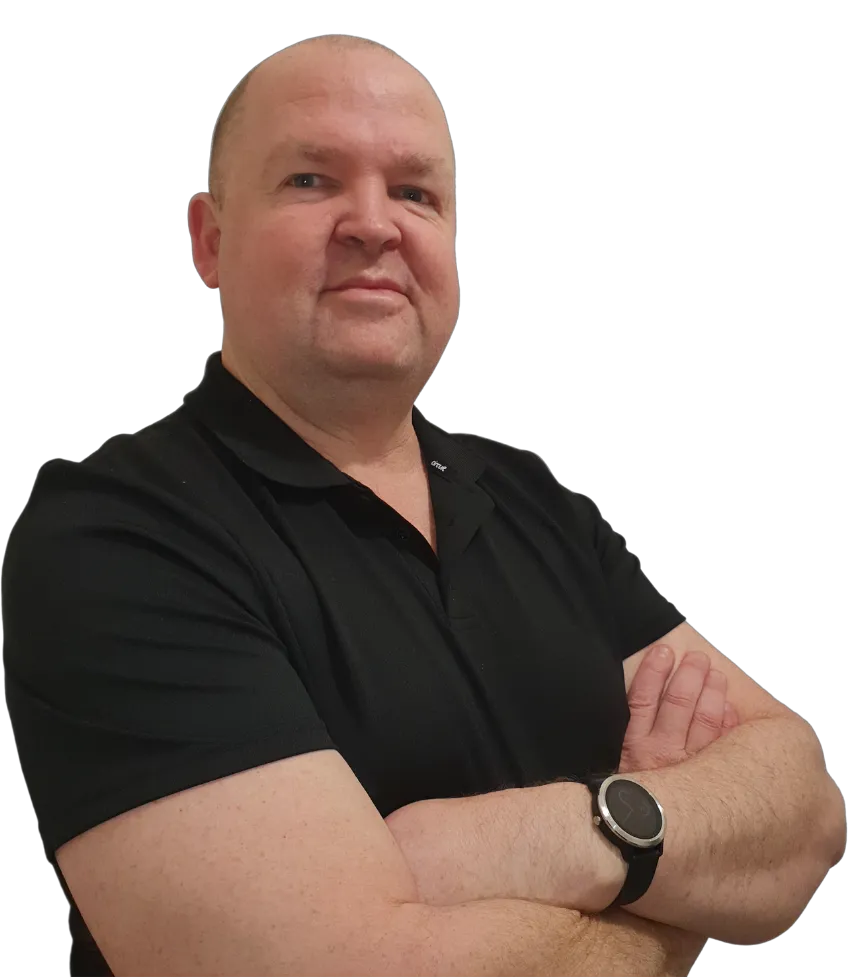
Training and professional background
My work is grounded in formal training, ongoing education, and a strong focus on clinical outcomes.
I hold a Diploma of Remedial Massage (HLT52015) from Gordon TAFE and have been practising since 2019. Since graduating, my focus has been on continuing to build clinical skill and understanding through further education and reflective practice.
This has included advanced training in areas such as dry needling, cupping-based approaches, movement and alignment strategies, and pain-focused manual therapy methods. These approaches support how I assess, treat, and adapt sessions based on what each person needs at the time.
I am a professional member of Massage & Myotherapy Australia and hold full public liability and professional indemnity insurance.
Client feedback
Many people come in feeling unsure, especially if pain has been ongoing or previous treatment hasn’t helped.
Client feedback consistently reflects careful assessment, clear communication, and a focus on improving movement and day-to-day comfort, not just short-term relief.
Book an initial consultation
If you’re unsure which approach might help, that’s expected.
An initial consultation allows time to understand what’s going on, assess how your body is moving, and decide on the most appropriate way forward. Treatment methods are selected based on findings during the session, not chosen in advance.
Appointments are available by booking only.