
Sports Massage
Sports massage is a context-driven treatment approach used to support training, recovery, and physical workload.
I'm Anthony McKergow, a remedial massage therapist based in Hoppers Crossing. I hold a Diploma of Remedial Massage (HLT52015) and am a professional member of Massage and Myotherapy Australia. I work with people across Melbourne's western suburbs, including Williams Landing and Tarneit, who place regular physical demands on their body and want recovery support that is planned rather than reactive.
Sports massage is shaped by where you are in your week or training cycle, not by how deep or intense it feels.
Unlike relaxation massage, sports massage is planned around movement demands.
Unlike remedial massage, it is not centred on assessment or diagnosis.
The same person may receive very different sessions depending on whether they are building training volume, tapering before an event, or recovering from recent exertion.
What stays consistent is the intent: to help the body tolerate load, recover between sessions, and stay responsive to movement.
What it’s commonly used for
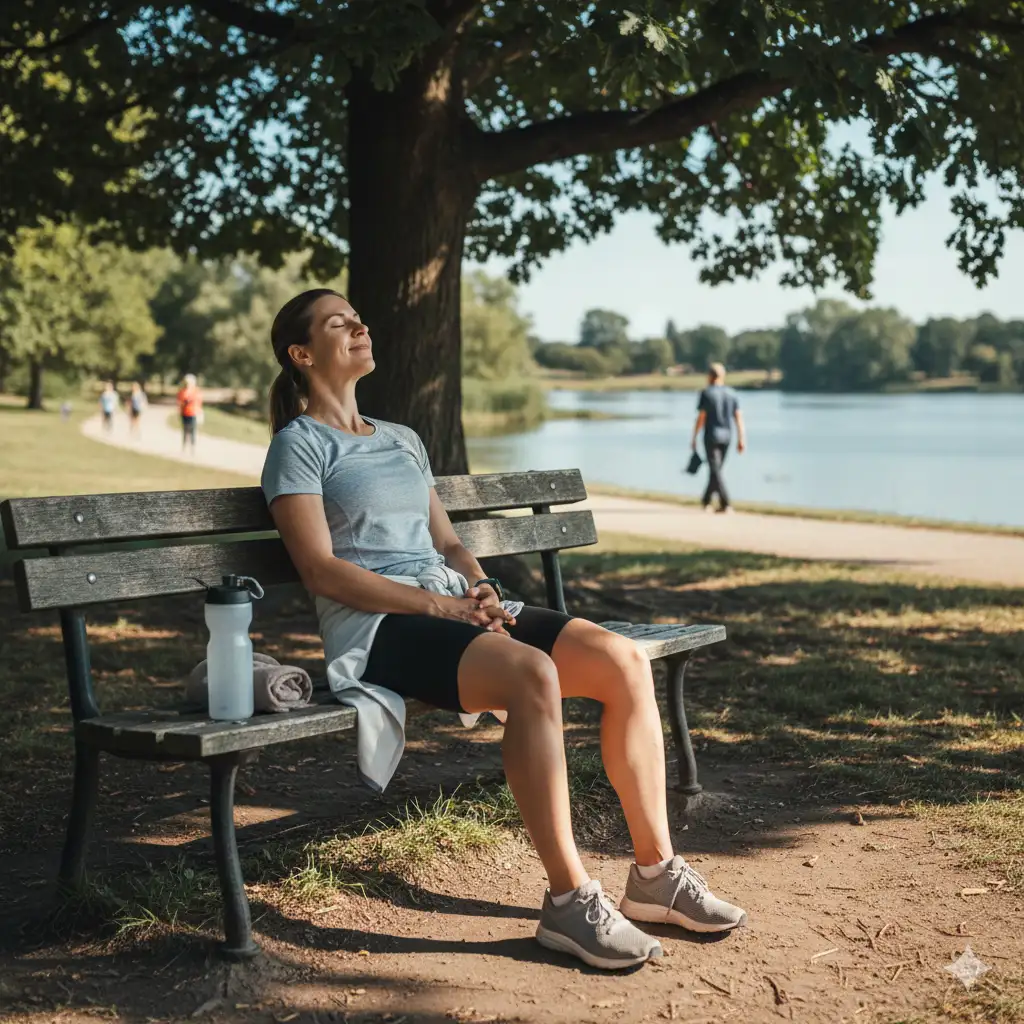
Sports massage is commonly used when your training load changes and your body needs help adapting.
People often choose it for:
- heavier training weeks (more volume, more intensity, or both)
- recovery between sessions or events
- feeling tight or “loaded” without a clear injury
- returning to training after time off
- preparing for a week where performance matters (without doing anything that leaves you sore)
This is not limited to competitive athletes.
It suits anyone who trains, plays sport, or does physical work where recovery and movement quality matter.
The key factor is not the sport.
It’s the current load on your body — and how you’re responding to it.
How it works
Sports massage works by influencing how muscles and the nervous system respond to physical load.
Manual pressure, movement, and pacing provide sensory input to the body.
This input helps reduce excessive muscle tone, improve movement confidence, and support recovery after exertion.
The goal is not to force tissue to change.
It’s to help the body settle, reorganise, and respond more efficiently to training demands.
Timing matters.
A session before heavy training will feel and function differently to one delivered after a demanding week.
Pressure, speed, and technique are adjusted to match that timing.
Sports massage does not “flush toxins,” break tissue, or remove lactic acid.
Any benefits come from changes in circulation, nervous system response, and how the body interprets load and effort.
What it feels like
Sports massage does not have one fixed “feel.”
Some sessions are lighter and more rhythmic.
Others are slower and more deliberate.
The intensity is chosen based on timing, recovery needs, and how your body is responding on the day.
You should expect clear communication throughout the session.
Pressure is adjusted in real time based on feedback, comfort, and purpose.
Discomfort is not required for benefit.
The aim is to leave you feeling more settled and ready to move — not sore, guarded, or fatigued.
Consent and feedback guide the session.
If something feels unhelpful, pressure and approach are changed immediately.
Who it may suit / when to modify
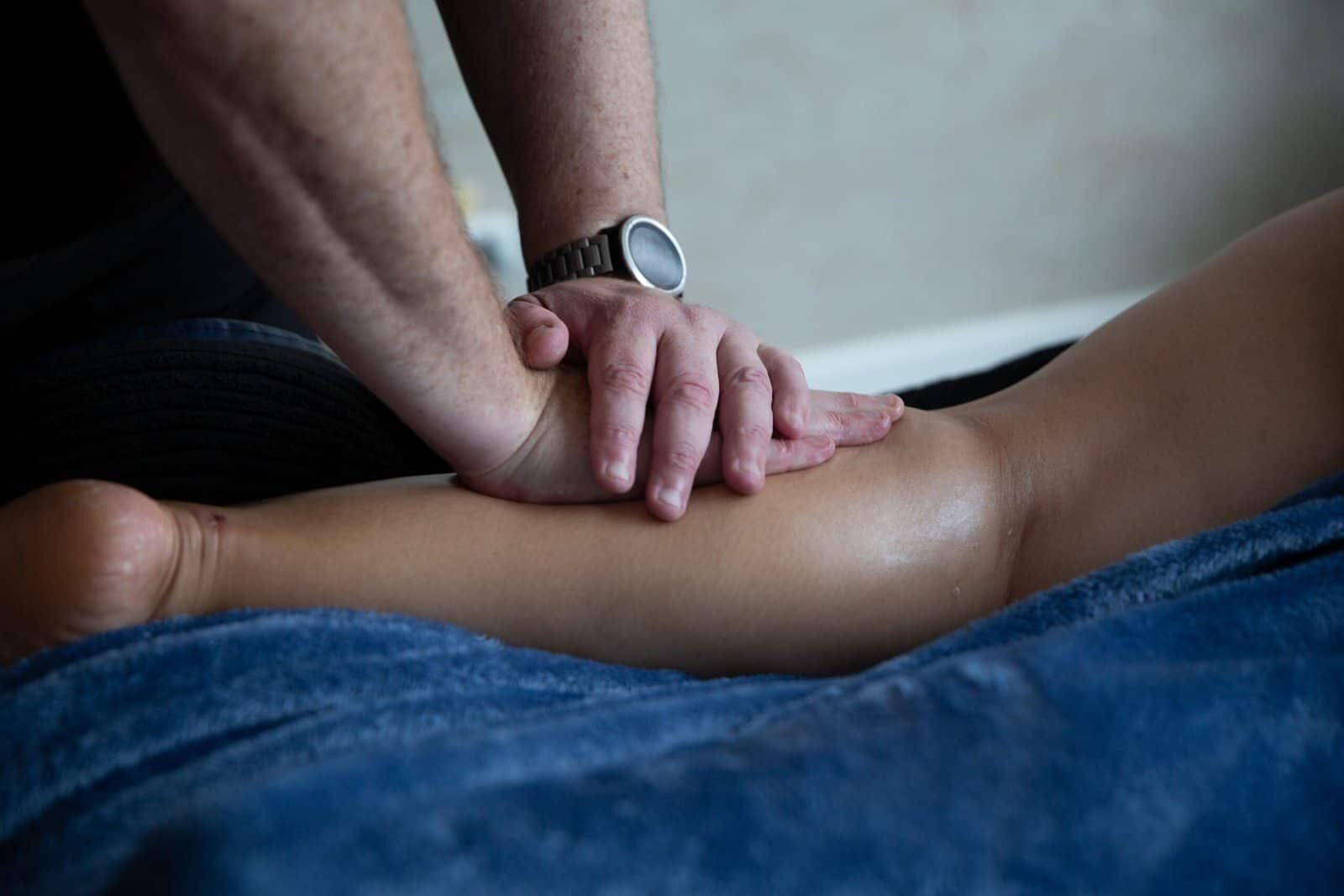
Sports massage may suit people who train regularly, play sport, or place repeated physical demands on their body.
It is commonly used by:
- recreational athletes and regular gym-goers
- people returning to activity after time off
- individuals managing ongoing training fatigue
- those who want recovery support without aggressive treatment
Sessions are modified when tissues feel highly sensitive, recovery is slow, or the nervous system is already under load.
In these situations, lighter pressure and shorter treatment windows are often more appropriate.
Sports massage may not be the best fit when pain is poorly understood, movement feels unsafe, or symptoms change rapidly.
In those cases, a remedial assessment-led session is usually more suitable.
The approach is always adjusted to the person in front of you — not the label of the session.
How it fits into a session
Sports massage is available as a 30, 45, or 60-minute session depending on what you need and how much of the body requires attention. Longer sessions allow for broader coverage across multiple muscle groups or a more gradual warm-up when tissue is particularly loaded.
Current pricing is listed on the appointments and pricing page.
Sports massage is claimable through most Australian private health funds under extras cover, provided the therapist holds a recognised qualification. I hold a Diploma of Remedial Massage (HLT52015) and am a professional member of Massage and Myotherapy Australia, which satisfies the eligibility requirements of most major funds. The rebate amount varies by fund and cover level. It is worth checking with your insurer before booking.
No referral is needed. You can book directly.
How it fits with other PCRMT services
Sports massage sits alongside other PCRMT services by changing how and when techniques are applied, not by replacing them.
It is defined by timing and intent.
Other services are defined by assessment focus or technique emphasis.
Here’s how they differ:
Remedial Massage
Remedial massage is assessment-led and problem-focused.
Sports massage may use similar techniques, but the session is guided by training load and recovery timing rather than clinical investigation.Deep Tissue Massage
Deep tissue massage prioritises sustained pressure and depth.
Sports massage may be light, moderate, or firm depending on where you are in your training cycle.Trigger Point Therapy
Trigger point therapy targets specific, localised areas of tension or referral.
Sports massage looks more broadly at movement readiness, fatigue, and recovery needs.Percussive Release
Percussive release uses vibration-based input to reduce muscle guarding and prepare tissue for hands-on work. It is often applied within a sports massage session during or around training.
Sports massage often works best around these services — not instead of them.
The choice depends on what your body needs right now.
Next steps
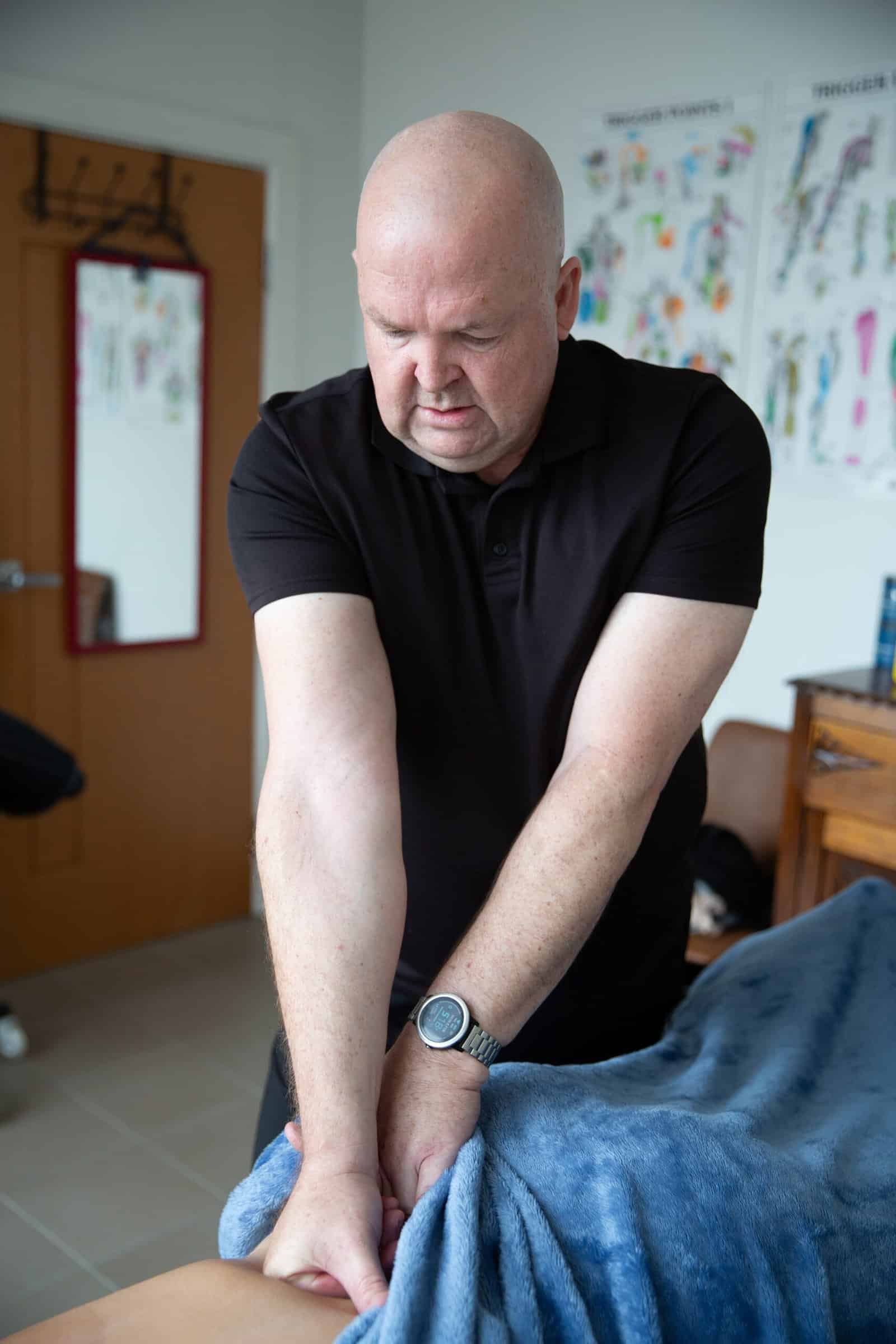
If sports massage fits where you are right now, the next step is choosing a session time that suits your schedule.
Some people book regularly during training blocks. Others use it occasionally when recovery feels slower or movement feels heavier than usual.
If you are unsure whether sports massage or another service is the better fit, that can be clarified before or during your session. The approach is always adjusted to how your body presents on the day.
You can also browse the full services overview to compare approaches.
FAQs
Is sports massage only for athletes or people who compete?
No. Sports massage suits anyone who places repeated physical demands on their body, including recreational gym-goers, people who do physical work, and those returning to activity after time off. The term refers to how the session is structured around training load and recovery rather than around a specific problem or diagnosis. If your body is regularly dealing with the effects of exertion, sports massage is relevant regardless of whether you compete.
What is the difference between sports massage and remedial massage?
Remedial massage is assessment-led and problem-focused. It starts with understanding what is contributing to pain or restriction and adapts accordingly. Sports massage is shaped by where you are in your training or activity cycle. The same person might receive quite different sessions depending on whether they are in a heavy training week, preparing for an event, or recovering afterward. The techniques may overlap, but the purpose and timing drive the session rather than clinical findings.
Should sports massage be done before or after training?
Both can be appropriate, and the session is adjusted based on timing. Before training, the focus is usually on readiness, using lighter, more rhythmic work that supports movement without leaving muscles fatigued or sore. After a demanding week or event, the focus shifts to recovery, helping the body settle and reducing residual tension. The timing you choose should reflect what you need your body to do in the days that follow the session.
Can sports massage help when returning to exercise after a long break?
Yes. Returning to activity after time off places unfamiliar demands on tissue that may have lost some of its tolerance for load. Sports massage can support that process by helping muscles adapt to increasing demand, reducing the buildup of tension between sessions, and supporting the nervous system's adjustment to higher activity levels. It works well alongside a sensible return-to-activity plan rather than as a replacement for one.
How does sports massage help during heavy training blocks?
During periods of high training volume or intensity, the body accumulates load faster than it can fully recover between sessions. Sports massage can help reduce that residual tension, improve how muscles respond to repeated effort, and support better recovery between training days. The aim is not to add another stressor but to help the body manage the demands being placed on it so that training quality holds up over time.
What does recovery-focused sports massage involve between events or competitions?
Recovery-focused sports massage after an event is typically lighter and more rhythmic than standard deep tissue work. The aim is to help the nervous system settle, reduce the sense of accumulated fatigue, and support the tissue recovery process without adding further demand. Timing matters. A session in the day or two following a competition is structured differently from one delivered a week out, when the body has had time to begin its own recovery.