
Deep Tissue Massage
Deep tissue massage is a style of massage that uses slower strokes and sustained pressure to work into deeper layers of muscle and connective tissue.
I'm Anthony McKergow, a diploma-qualified remedial massage therapist practising in Hoppers Crossing. I work with people from Tarneit, Truganina, Point Cook, Werribee, and Williams Landing who find that certain areas stay persistently tight, guarded, or resistant to lighter work.
This page explains what deep tissue massage is, how it works, and when it may (or may not) be appropriate. It's here to help you decide if it sounds relevant before you book.
If you want to see the full range of approaches I use, you can view all treatment options at PCRMT.
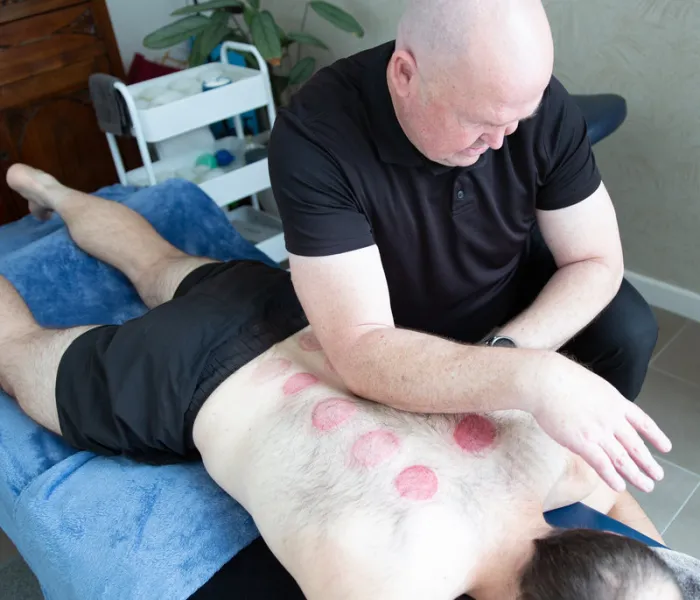
What deep tissue massage is commonly used for
Deep tissue massage is commonly used when muscle tone stays high and lighter approaches don’t seem to create lasting change.
It’s often chosen in situations where:
- muscles feel chronically tight or overworked
- an area feels guarded or braced, even at rest
- movement feels restricted because surrounding tissue won’t “settle”
- load from work, training, or posture keeps accumulating in the same areas
This approach is not about chasing pain or forcing release. It’s about applying enough depth, at a slow enough pace, to encourage tissue and the nervous system to reduce protective tension.
For some people, this style of input feels helpful and grounding. For others, a different approach may be more appropriate. Response, not intensity, guides the decision.
How deep tissue massage works
Deep tissue massage works through a combination of local tissue effects and nervous system responses.
On a tissue level, slow and sustained pressure can create movement between layers of muscle and connective tissue. This can help reduce the dense or “stuck” feeling that develops when areas stay under load for long periods.
Equally important is the nervous system response. Firm, steady pressure provides strong sensory input. When that input feels controlled and safe, the body may reduce protective muscle tone and guarding. This helps explain why depth does not need to be painful to be effective.
Research in manual therapy and pain science consistently identifies the nervous system's protective response, rather than tissue damage alone, as the primary driver of chronic muscle tightness. Deep tissue work aims to calm that response, not override it.
This is why pressure is built gradually and adjusted throughout the session. More force does not automatically mean better results.
What deep tissue massage feels like
Deep tissue massage usually feels slower and more deliberate than relaxation-style massage.
You can expect:
- pressure that builds gradually, rather than being applied all at once
- slower pacing, with time spent in specific areas
- regular check-ins around comfort and breathing
- moments of intensity that stay within a tolerable range
Some areas may feel tender while they’re being worked, but the aim is never to force through pain. If pressure is too high, the body tends to brace or guard, which works against the goal of the treatment.
The most effective depth is one where you can stay relaxed, breathe normally, and allow the tissue to respond. That “therapeutic comfort zone” is different for everyone and can change from session to session.
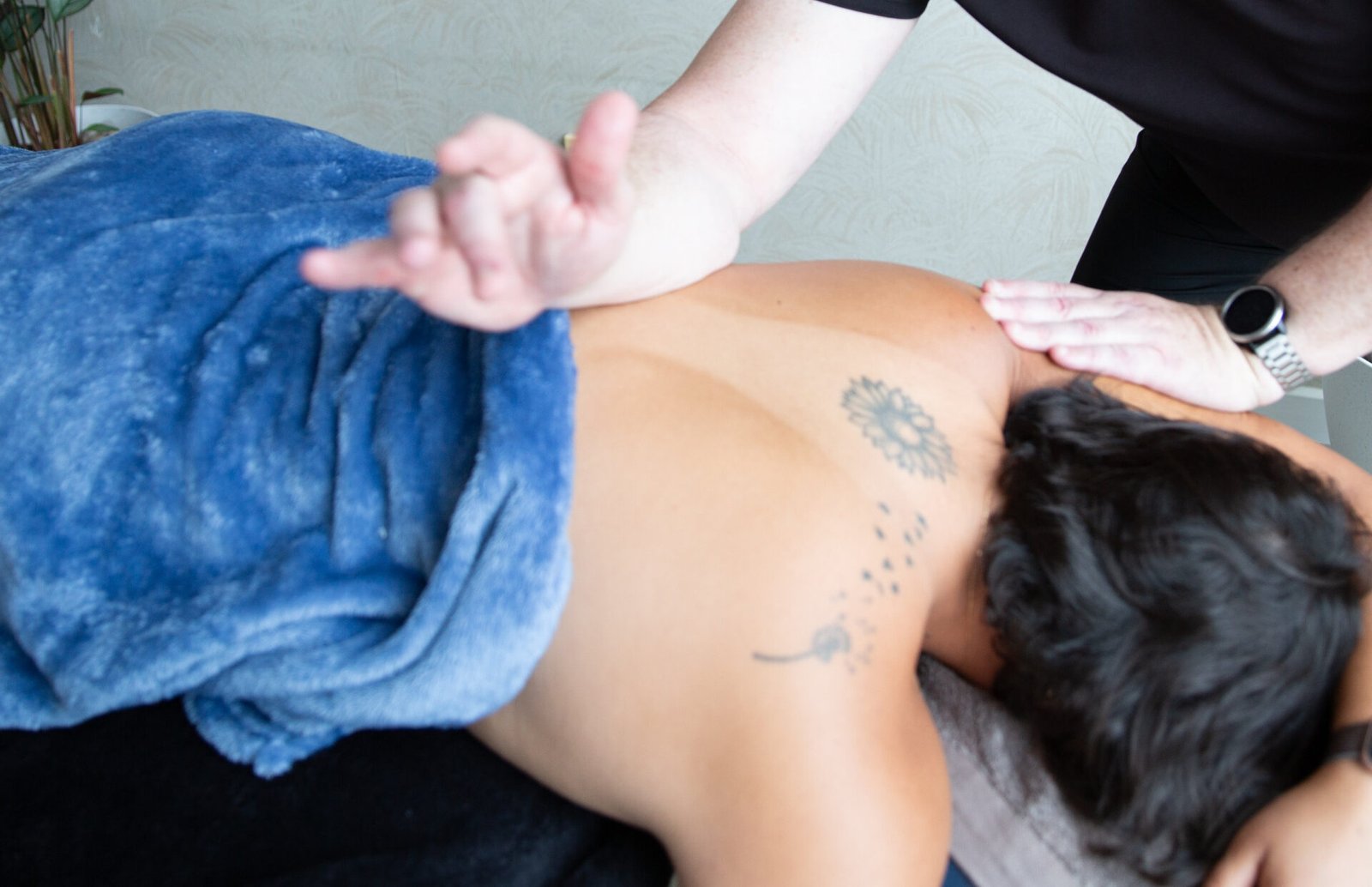
Who deep tissue massage may suit, and when to avoid it
Deep tissue massage may suit people who respond well to firmer pressure and notice that certain areas stay tight or guarded despite lighter work.
It’s commonly considered when:
- you prefer slower, more deliberate pressure
- muscle tension returns quickly after lighter sessions
- specific areas feel overloaded from work, training, or posture
- you want focused work rather than a general full-body session
There are times when deep tissue work may need to be modified or avoided.
This includes situations where:
- an area is acutely inflamed or recently injured
- there is a known or suspected clotting risk
- you bruise easily or take blood-thinning medication
- tissue is fragile due to recent surgery, burns, or skin conditions
- you have advanced osteoporosis or uncontrolled blood pressure
- firm pressure causes you to tense or hold your breath
In these cases, a different approach or lighter technique is often more appropriate. The goal is always to work with the body’s response, not against it.
How deep tissue massage fits with other PCRMT services
Deep tissue massage is best understood as a pressure approach, not a standalone treatment model.
In practice, it's often used alongside other methods, depending on how the body responds on the day. That may include assessment-led remedial work, targeted techniques when specific areas need focus, or gentler approaches when tissue is more reactive.
The choice is guided by response, not force. If the body settles and movement improves, the depth is appropriate. If the area guards or flares, a different strategy is usually more effective.
Sessions at PCRMT run from 30 to 90 minutes. Full pricing and appointment options are on the appointments page. Health fund rebates are available. I hold the Diploma of Remedial Massage (HLT52015) and am a registered member of Massage and Myotherapy Australia, which satisfies the eligibility criteria for most major Australian funds.
Next step
If deep tissue massage sounds like a reasonable fit, the appointments page covers session lengths, pricing, and what to choose for a first visit.
No referral is needed. You can book directly online. Sessions run six days a week, including evenings.
Deep tissue massage FAQs
Does deep tissue massage need to hurt to work?
No. While deep tissue work can feel intense in certain areas, pressure that causes you to tense or hold your breath works against the goal of the treatment. The most effective depth is one where you can stay relaxed and breathe normally. Some discomfort within a tolerable range is common. Pressure that makes you brace is a signal to ease back, not push through.
Is deep tissue massage good for lower back pain?
It can be, depending on what is driving the pain. When lower back discomfort is linked to chronically tight or overloaded muscle tissue, deep tissue work can help reduce protective tension and improve movement. If the pain is more complex, involves referred symptoms into the leg, or has not been assessed before, a remedial session is usually a better starting point to understand what is contributing before applying deeper pressure.
Why do I sometimes feel sore the day after a deep tissue massage?
Mild soreness for one to two days can occur, particularly when deeper work is focused on areas that have been under load for a long time. It is similar to how muscles can feel after unfamiliar exercise. The soreness should settle as the tissue adjusts. If it persists beyond two or three days or feels different from what you expected, that is worth raising at the next session.
Is deep tissue massage the same as remedial massage?
No. Remedial massage is assessment-led and draws on a range of techniques based on what the body is doing on the day. Deep tissue massage refers specifically to a pressure approach using slower, more sustained strokes to work into deeper layers of muscle and connective tissue. Deep tissue work is often one of the tools used within a remedial session when the presentation calls for it, but the two are not the same thing.
Can deep tissue massage help with tension headaches?
es, in many cases. Deep tissue work applied to the neck, upper back, and the muscles at the base of the skull can help reduce the tension that contributes to tension-type headaches. These headaches are often driven by sustained muscle load from desk work, driving, or disrupted sleep posture rather than anything structural. Reducing that accumulated tension through deliberate, sustained pressure can make a meaningful difference for people who experience them regularly.
Who should avoid deep tissue massage, or approach it with caution?
Deep tissue work may need to be modified or avoided if there is an acute injury or active inflammation in the area, a known clotting risk, blood-thinning medication in use, easy bruising, advanced osteoporosis, or uncontrolled blood pressure. If any of these apply, or if you are unsure, that is part of the intake conversation before treatment begins. The goal is always to work within what is safe and appropriate for your situation.