
Musculoskeletal Alignment Technique
I’m Anthony McKergow, a remedial massage therapist based in Hoppers Crossing, holding a Diploma of Remedial Massage (HLT52015) and a professional member of Massage and Myotherapy Australia. I use musculoskeletal alignment technique as part of my practice in Hoppers Crossing, with clients travelling from Tarneit, Werribee, Williams Landing, and across Melbourne’s western suburbs.
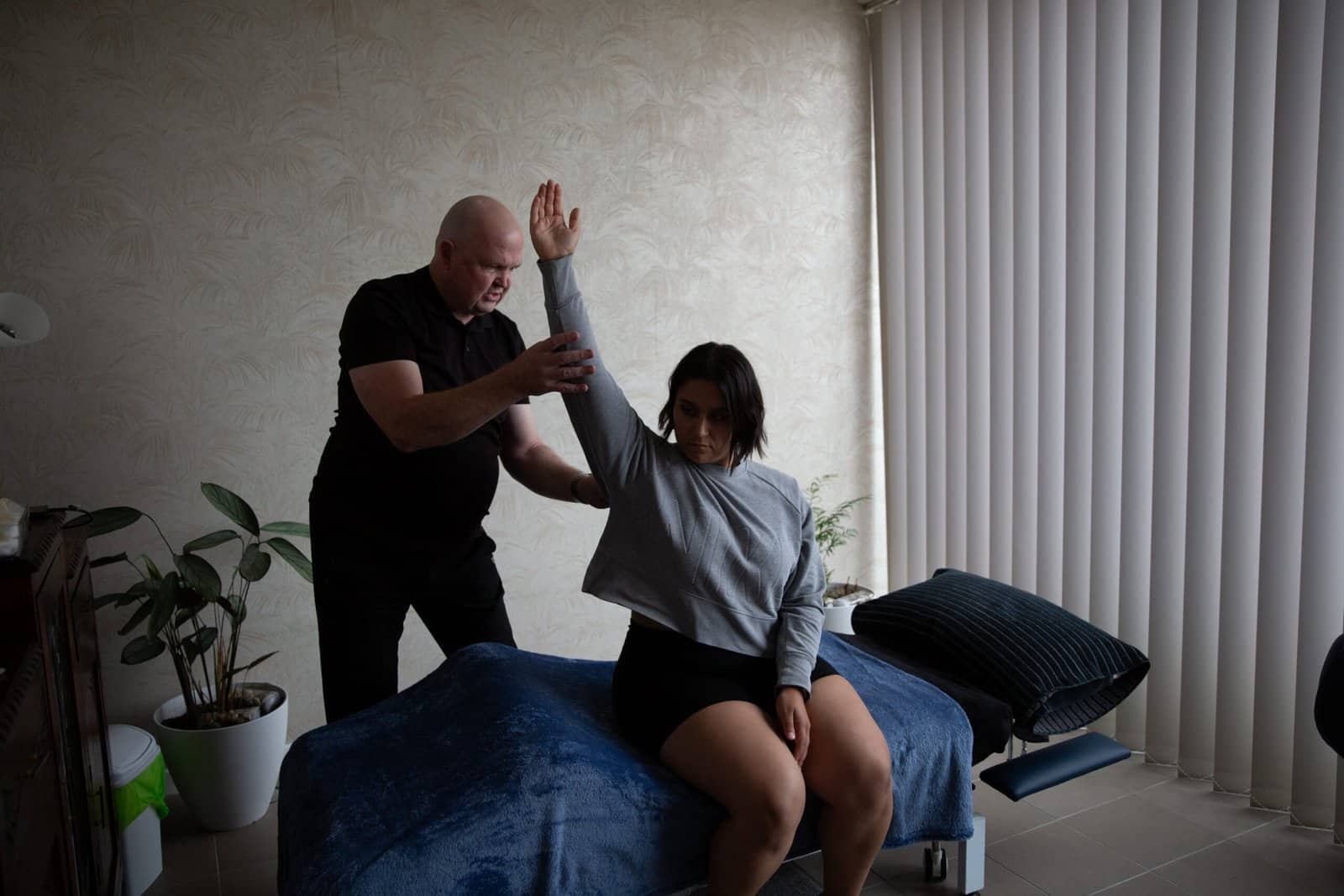
Musculoskeletal Alignment Technique is a hands-on approach that looks at how muscles, joints, and movement patterns interact. Rather than focusing on one sore spot, the aim is to understand why certain areas are working harder than they should.
This type of work is often used when the body feels uneven, restricted, or stuck in the same patterns despite regular treatment. The session is guided by assessment findings, not a fixed routine.
When alignment and movement stop working together
In a well-coordinated body, joints move freely and muscles adjust their tension as needed. When that balance is disrupted, certain muscles can start doing more than their share of the work.
This often shows up as:
- recurring tightness that keeps returning
- stiffness on one side more than the other
- discomfort linked to specific movements or positions
- a sense of being “twisted”, compressed, or uneven
The issue is not always weakness or poor flexibility. Often, it’s how the body is organising itself around restriction.
Addressing the muscle–joint feedback loop
When a joint is not moving well, nearby muscles often tighten to protect it. That extra tension can then limit joint movement even further.
Over time, this creates a feedback loop which presents things like:
- reduced joint movement
- increased muscle guarding
- altered load through surrounding tissues
Musculoskeletal alignment work targets both sides of this loop. Treatment combines soft tissue work with joint-focused techniques and guided movement to help reduce guarding and restore more efficient motion.
A 2024 randomised controlled trial in the Hong Kong Physiotherapy Journal (Agarwal et al.) comparing soft tissue mobilisation techniques found significant improvements in pain, range of motion, and neck disability index scores following manual soft tissue release, supporting the role of hands-on soft tissue work in reducing muscle tension and restoring movement through affected areas. (PMID: 38577397)
What a session typically involves
Sessions are calm, specific, and guided by how your body responds on the day.
You may experience:
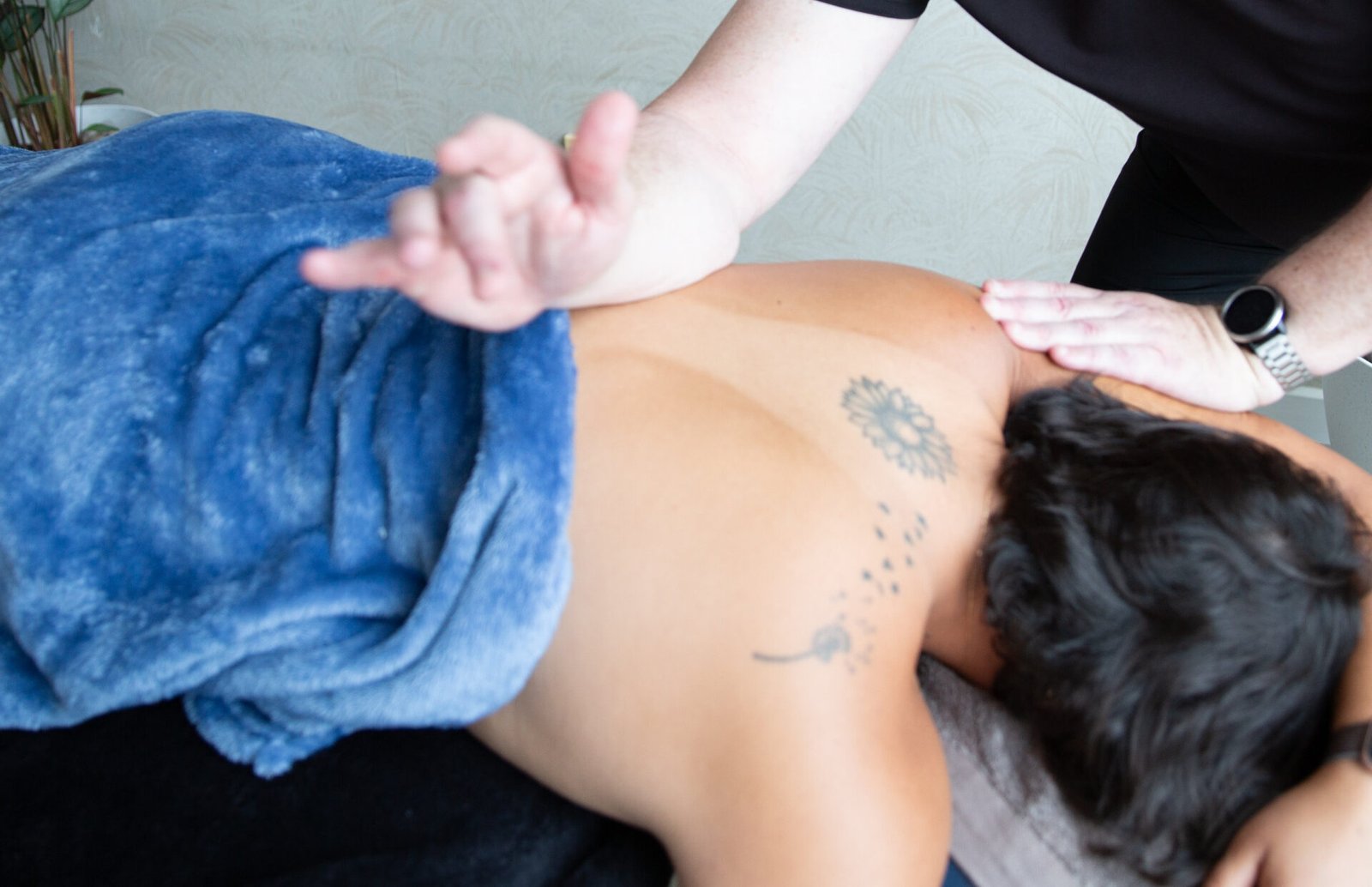
- sustained pressure through areas of tension
- slow, assisted stretching
- gentle joint mobilisation
- brief muscle contractions followed by relaxation
The work stays within a tolerable range. If your body starts to resist or guard, the approach is adjusted. The aim is to guide change, not force it.
Suitability and clinical considerations
This approach may be helpful if movement quality appears to be part of the problem.
This approach may be helpful if:
- you feel restricted through the spine, hips, or shoulders
- discomfort is linked to posture or repeated movement patterns
- stretching gives short-term relief but doesn’t hold
- you want treatment guided by assessment, not routine
It may not be appropriate if:
- you have an acute infection or fever
- you are in the early stage after surgery
- you have an active fracture
- you have been advised to avoid massage or movement
If you have joint replacements, spinal surgery, or complex medical conditions, the work may need to be modified or avoided in certain areas.
Changes people commonly notice
Responses vary between individuals.
Some people notice:
- easier movement through previously restricted areas
- less background tension or holding
- improved comfort with daily activities or training positions
Others notice change in stages, such as movement improving before symptoms settle. Mild soreness or fatigue after a session can occur and usually settles within a short period.
How alignment work supports a broader plan
Musculoskeletal alignment work is often one part of an assessment-led remedial massage approach.
Hands-on treatment can reduce guarding and improve joint movement, which may make other strategies more effective. Depending on findings, this may be supported by simple movement or activation exercises aimed at helping changes hold between sessions.
Those options sit across the full range of techniques I use, depending on what your assessment shows.
The focus stays on understanding what your body needs, rather than applying the same approach every time.
Last reviewed: June 2026
Considering next steps
Book online at pcrmt.splose.com/online-booking/0a1e4760-b674-487c-9cd5-b0f2617e15a9
FAQs
Is Musculoskeletal Alignment Technique the same as chiropractic treatment?
No. Chiropractic treatment typically involves high-velocity manipulation of the spine or joints, including the distinctive crack associated with adjustments. Musculoskeletal alignment work uses soft tissue techniques, assisted stretching, and gentle joint mobilisation within a comfortable range. There are no high-velocity thrusts. The approach draws on osteopathic principles and works more gradually, combining tissue work with guided movement to address how joints and surrounding muscles are functioning together.
Where does this approach come from?
The methodology I use is grounded in the work of Erik Dalton, PhD, founder of the Freedom from Pain Institute and a leading figure in manual therapy education for over three decades. Dalton's approach integrates deep tissue massage, joint mobilisation, nerve mobilisation, and osteopathic principles to identify and correct strain patterns in the spine and surrounding tissue before they become entrenched pain patterns. I trained in this methodology and apply it as the foundation of musculoskeletal alignment work at PCRMT.
Do I need scans or a formal diagnosis before starting this type of treatment?
Not usually. A clear description of what you are experiencing, how it behaves, and what makes it better or worse provides most of the information needed to guide the initial approach. Movement assessment during the session adds to that picture. If something presents in a way that falls outside what manual therapy can address, or where imaging would be genuinely useful before proceeding, that is flagged early rather than discovered after several sessions.
What does joint mobilisation feel like during a session?
Joint mobilisation involves gentle, rhythmic movement of a joint through part of its range, or sustained gentle pressure at the edge of comfortable movement. It does not involve forcing range or producing the cracking sensation associated with manipulation. Most people describe it as controlled and subtle. Joints that have been restricted for some time may feel stiff initially, and movement tends to feel progressively freer as the session continues and surrounding tissue settles.
I notice one side of my body is consistently tighter or more restricted than the other. Is that something alignment work can help with?
Yes. Side-to-side differences in how tissue feels or how joints move are a common finding in assessment and are often linked to how load is being distributed across the body over time. The methodology used at PCRMT looks specifically at neurologically-driven strain patterns, where one area compensates for another in ways that build gradually. Addressing both sides together tends to produce more durable change than working on the symptomatic area alone.
Can this work help with neck pain, back pain, or discomfort from prolonged sitting?
Yes. Neck and back pain linked to posture, desk work, driving, or sustained loading is one of the primary presentations this approach is designed to address. The methodology targets the combination of muscle guarding, restricted joint movement, and neurological strain patterns that develop together over time. It can reduce accumulated load and improve how the body tolerates sustained positions, and is particularly well suited to pain that keeps returning in the same areas without a clear structural cause.
How is Musculoskeletal Alignment Technique different from a regular massage?
A standard massage session focuses primarily on muscle tissue using pressure and movement techniques. Musculoskeletal alignment work includes soft tissue techniques but also incorporates joint mobilisation, nerve mobilisation, and guided movement to address how joints and muscles are functioning together. The distinction matters when restriction is driven by joint movement or neurological strain patterns rather than muscle tension alone, because hands-on pressure on the muscle will not resolve those components. Both approaches are used within sessions at PCRMT depending on what assessment shows is contributing.