
Why tension builds up in the first place
Muscle tension isn’t always caused by physical strain.
Stress, fatigue, poor sleep, emotional load, and ongoing discomfort can all increase how alert the nervous system feels. When this happens, muscles often stay “switched on” longer than they need to.
Over time, this can lead to aching, stiffness, headaches, or a general sense that the body won’t fully relax — even when you rest.
When the nervous system stays on high alert
Pain and tension are influenced by how safe the nervous system feels.
When the system stays on high alert for too long, even gentle pressure or everyday movement can feel uncomfortable. This doesn’t mean the body is damaged — it means it’s being protective.
Therapeutic massage works by creating signals of safety that help reduce this heightened response.
What the focus is during treatment
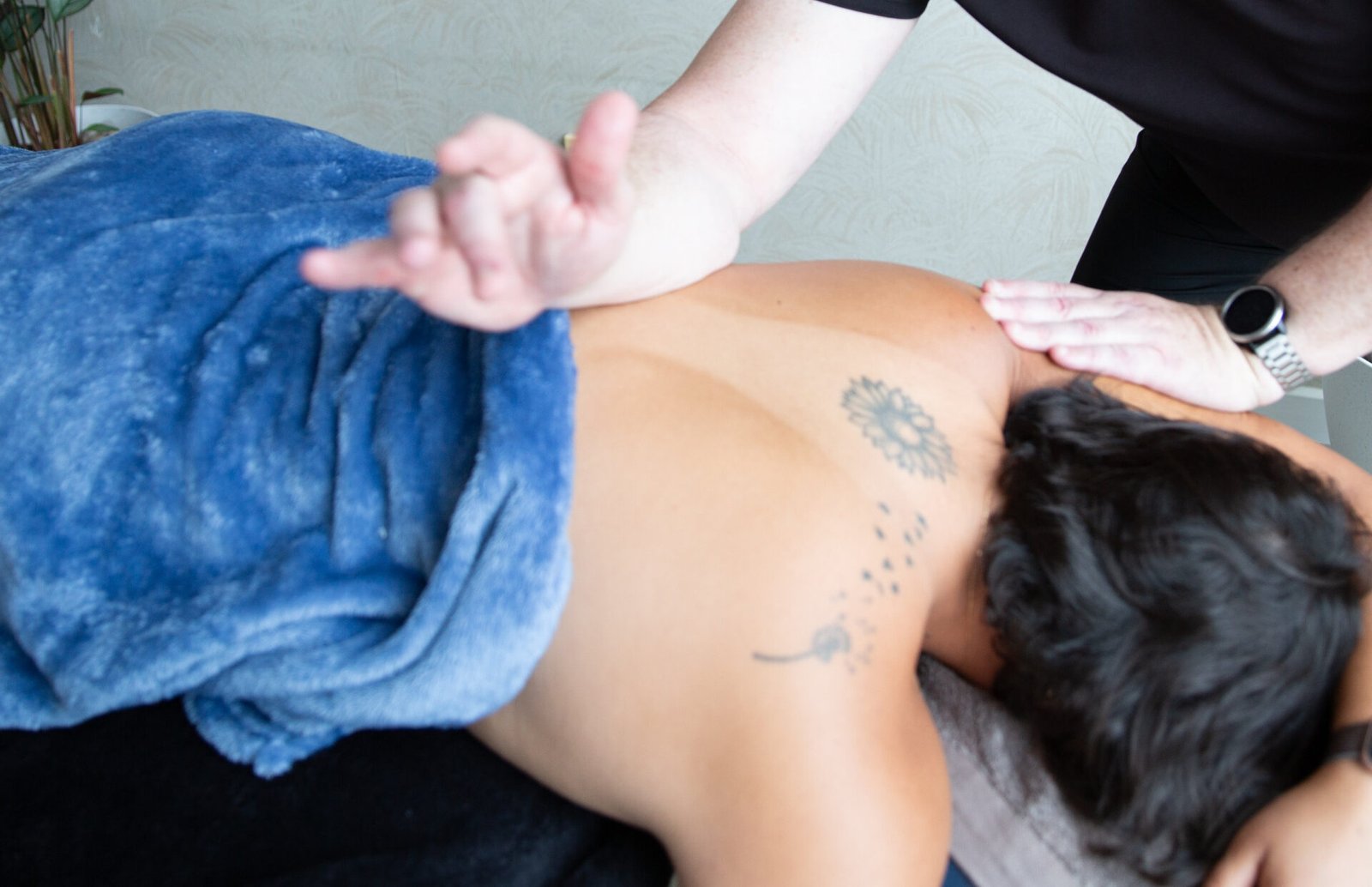
Therapeutic massage is not about “fixing” the body.
Sessions focus on:
- gentle to moderate pressure
- slow, rhythmic techniques
- areas that commonly hold stress
- supporting relaxation without forcing change
The aim is to help the body shift out of protection and into a calmer state where movement, sleep, and recovery are easier.
How this differs from other massage approaches
Therapeutic massage is different from remedial or trigger point–focused work.
If you want to compare options side-by-side, you can start from the Services overview.
Rather than targeting specific problem areas, it:
- works with the whole body
- prioritises comfort over intensity
- avoids sharp or provocative techniques
- supports nervous system calm rather than local correction
This makes it well suited to people who feel sensitive, overloaded, or unsure how much pressure their body can tolerate.
Who therapeutic massage is often helpful for
This approach may suit you if you:
- feel tense most of the time
- struggle to fully relax
- experience stress-related pain
- feel sensitive to deeper techniques
- want supportive, calming care
It may not be the best fit if you:
- need injury-specific treatment
- want strong corrective pressure
- are working on targeted rehabilitation goals
In many cases, it can still be blended gently into a remedial session.
Changes people often notice
Responses vary, but people often report:
- feeling calmer after sessions
- reduced muscle tension
- improved sleep quality
- less overall body soreness
- a sense of “letting go”
Sometimes the biggest benefit is simply feeling more at ease in your own body.
How this fits alongside other treatments
Therapeutic massage can be used on its own or alongside other approaches.
It’s often helpful:
- between more targeted sessions
- during high-stress periods
- when the body feels reactive or sensitive
By calming the nervous system, it can make other treatments more comfortable and effective.

Next steps
If your body feels tense, overloaded, or constantly switched on, therapeutic massage may be a helpful starting point.
You can explore appointments and options, and we can adjust the session based on how your body responds on the day.
Therapeutic Massage
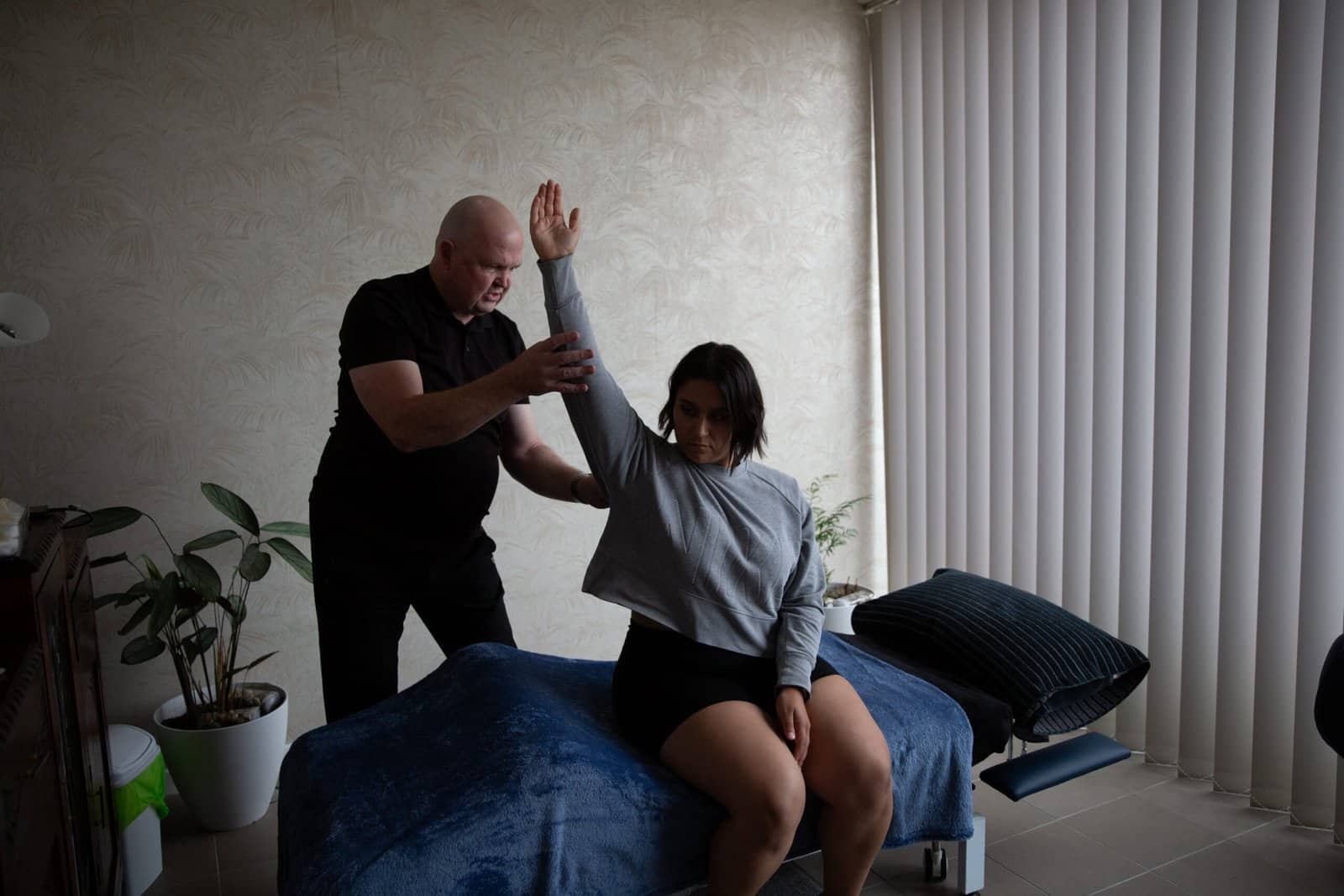
Therapeutic massage is a calm, supportive style of treatment focused on reducing muscle tension and helping the body settle.
It’s often chosen when stress, soreness, or persistent discomfort makes it hard to relax or switch off — especially when the body feels overloaded rather than injured.
This approach prioritises comfort, safety, and nervous system regulation, rather than targeting specific injuries or pain points.
FAQs
Is therapeutic massage the same as relaxation massage?
It can feel relaxing, but it’s guided by how your body responds rather than following a set routine.
Is this suitable if I have pain?
Yes, especially if pain feels widespread, stress-related, or sensitive to pressure.
Can this be combined with remedial massage?
Yes. Many sessions include elements of both, depending on what your body needs.