
Dry Needling
Dry needling is a focused way of working with muscle that stays tight, reactive, or painful despite hands-on treatment.
It uses a fine, sterile needle placed into specific areas of muscle that are not letting go — the spots that often feel deep, stubborn, or familiar to you.
In practice, I tend to use it when massage alone gets close, but not quite far enough.
It’s one of several approaches I may use depending on how your body presents, which are outlined across the full range of techniques I work with.
It is used when the muscle needs a different kind of input to reset and move more freely.
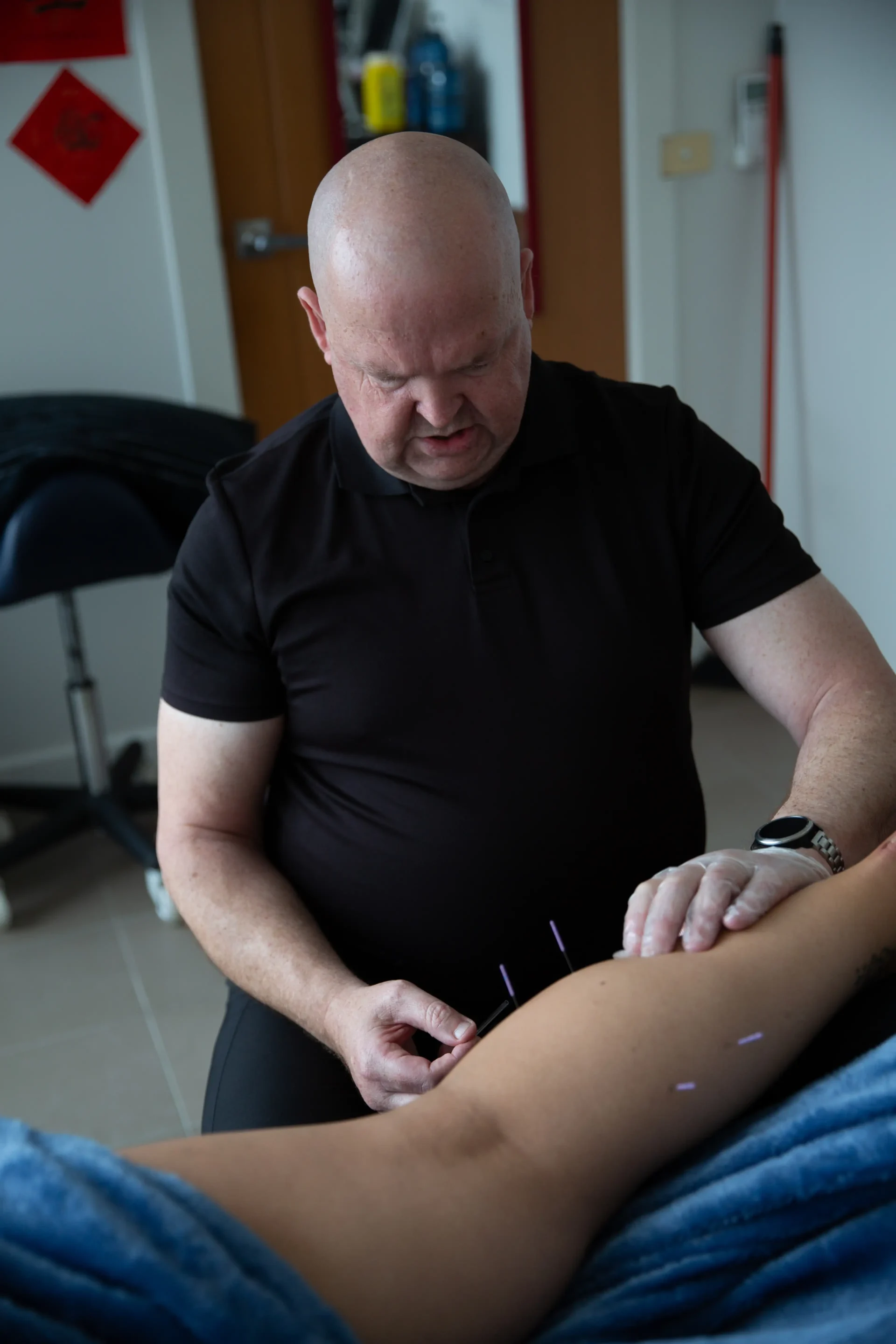
What dry needling is used for
Dry needling is usually considered when a muscle keeps returning to the same pattern, even with regular treatment.
It is commonly used when there is:
- Ongoing muscle tightness that does not fully release
- Trigger points that refer pain into other areas
- A feeling of restriction or “pull” with movement
- Pain that keeps resurfacing with work, training, or daily load
It is not used routinely.
It is used when the presentation calls for it.
How dry needling works
When a needle is placed into an overactive or sensitive area of muscle, it creates a short, local response in the tissue and nervous system.
This response can:
- Reduce excessive muscle tone
- Change how the area is being signalled by the nervous system
- Improve the muscle’s ability to lengthen and move
- Make hands-on work more effective afterward
The needle is not the goal.
The goal is a muscle that moves and behaves differently after treatment.
What treatment feels like
Sensation varies depending on the muscle and how reactive it is.
You may notice:
- A brief ache, pressure, or tight sensation
- A local twitch response as the muscle reacts
- Mild soreness later that feels similar to post-exercise tenderness
Most sensations are short-lived.
Treatment is adjusted as you go, based on how your body responds.
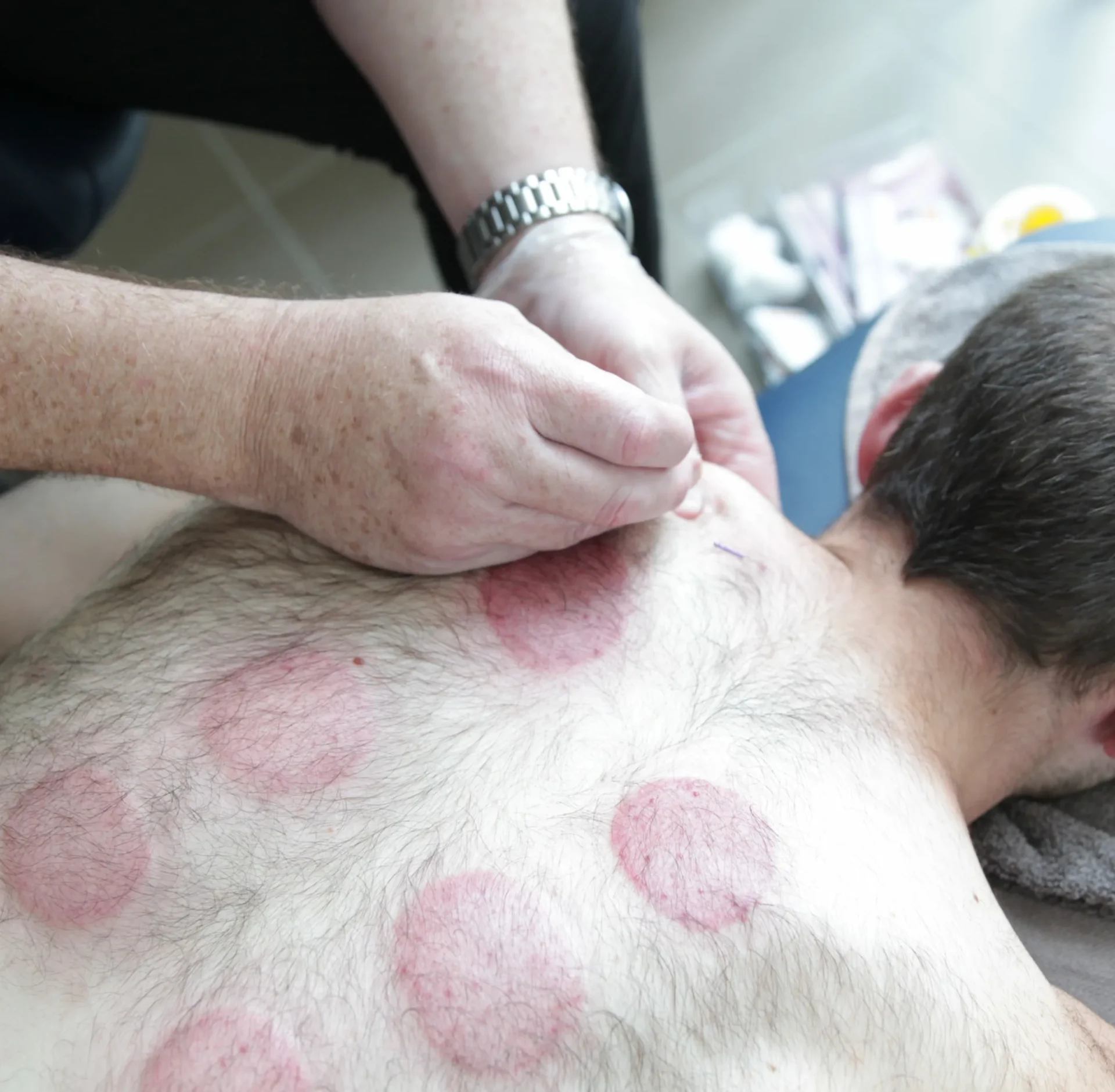
Who dry needling may suit
Dry needling may be useful if you:
- The same muscles keep tightening up between sessions
- You feel relief from massage, but it doesn’t last
- Certain spots always seem to flare up
- Movement feels restricted even when pain is low
Whether it’s appropriate is decided after assessment, not assumed upfront.
When it may not be appropriate
Dry needling may not be used, or may be modified, if:
- You are uncomfortable with needling
- There are medical or safety considerations to account for
- You are currently unwell or inflamed
These points are discussed before treatment so there are no surprises.
Expected Outcomes
Responses vary between people and conditions.
In the short term, some people notice:
- A sense of release or ease
- Improved movement
- Temporary soreness afterward
Longer-term change usually depends on:
- How the area is loaded between sessions
- Consistency of care
- Addressing movement or workload factors where needed
There is no single-session fix.
Change tends to build over time.
How dry needling fits into treatment at PCRMT
Dry needling is used selectively, not automatically.
It may be combined with:
- Remedial massage
- Trigger point work
- Movement-based treatment
- Simple load or activity adjustments
The focus stays on how your body moves and responds, not on applying techniques for their own sake.
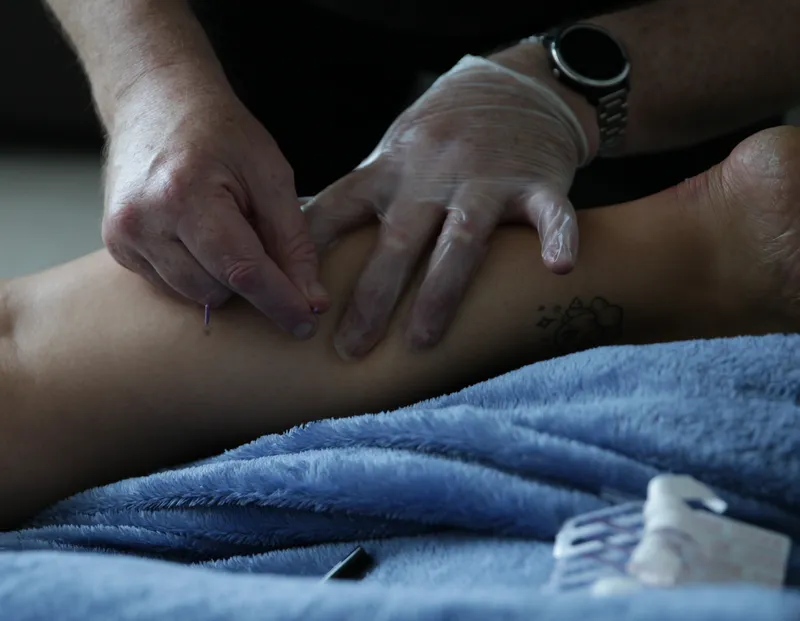
Next steps
Dry needling is applied within a remedial massage session when it is clinically appropriate.
You don’t need to decide on techniques when booking.
Select a remedial massage appointment and your treatment will be guided by assessment on the day.
Dry needling FAQs
Does dry needling hurt?
Some discomfort is common, but it is usually brief. Most people describe it as intense but short-lived. Treatment is adjusted to your tolerance.
Is dry needling the same as acupuncture?
No. Dry needling is based on modern anatomy, muscle function, and pain science, not traditional acupuncture frameworks.
How many sessions will I need?
This depends on the condition, how long it has been present, and how your body responds. This is discussed after assessment.