
Coaching the Body Technique
I’m Anthony McKergow, a remedial massage therapist based in Hoppers Crossing, holding a Diploma of Remedial Massage (HLT52015) and a professional member of Massage and Myotherapy Australia. I use Coaching the Body technique as part of my practice in Hoppers Crossing, with clients travelling from Williams Landing, Point Cook, Werribee, and across Melbourne’s western suburbs.
Coaching the Body Technique is a movement-focused approach that helps the body move with less guarding and less strain.
It’s often used when pain or restriction keeps coming back, or when movement feels limited even though scans or tests don’t show clear damage.
Rather than focusing on one sore spot, this approach looks at how your body is organising movement as a whole, and why it may be protecting certain areas.
It sits alongside other hands-on and movement-based approaches I use across the full range of treatment options available.
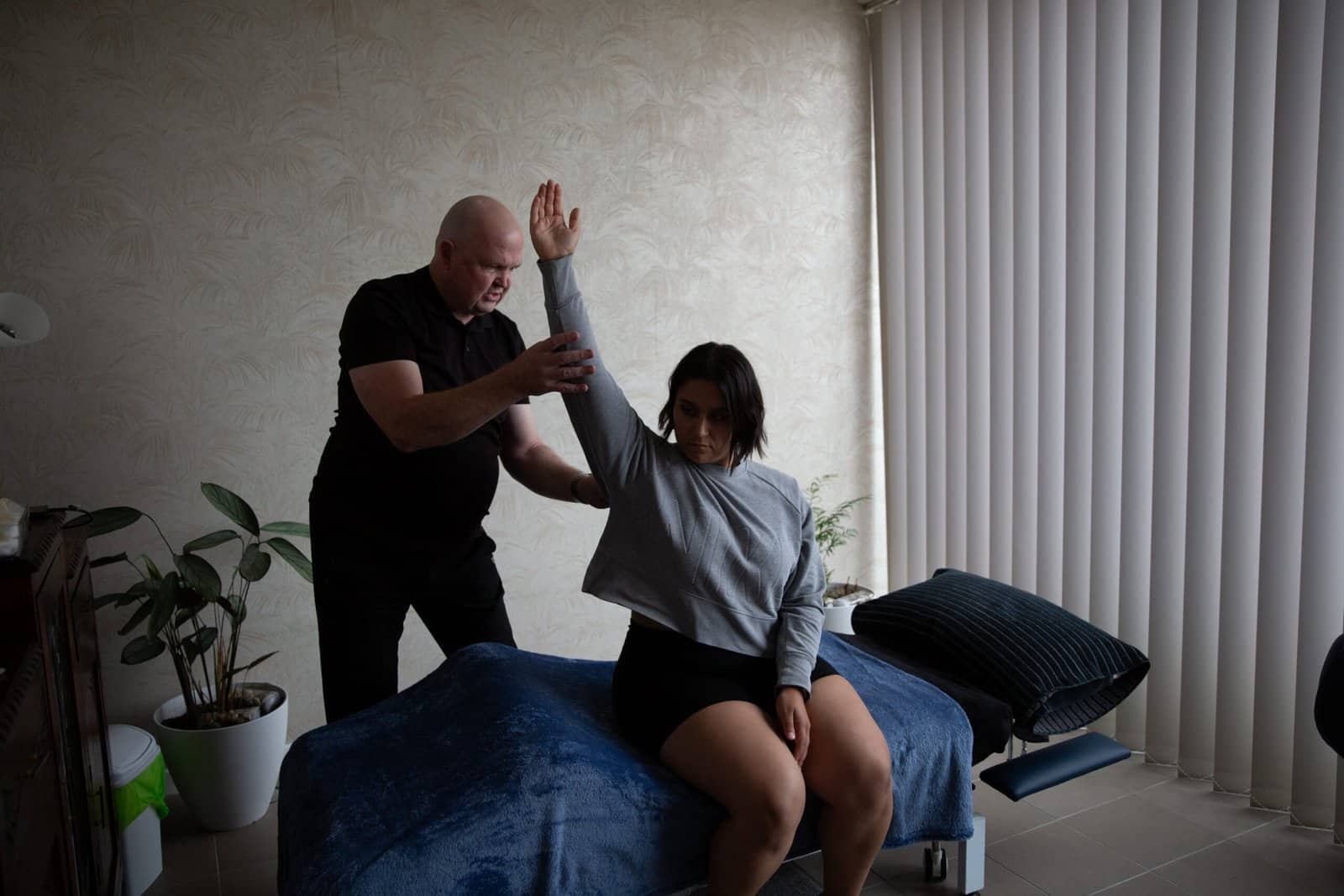
When pain and movement don’t line up
Pain doesn’t always mean something is injured.
In many cases, the body limits movement because it feels unsafe — not because tissue is damaged. This protective response can show up as stiffness, imbalance, or a sense that certain movements feel “blocked”.
When this happens, stretching or strengthening alone often doesn’t help for long. The body is reacting, not failing.
That protection can show up as:
- muscles tightening before you move
- joints feeling blocked or heavy
- stiffness that returns quickly after treatment
This approach focuses on calming that response so movement feels safer again.
A 2023 systematic review in the International Journal of Environmental Research and Public Health (Lepri et al., 15 randomised controlled trials) found that pain neuroscience education, which addresses how the nervous system regulates protective responses, significantly improved pain, disability, and function in patients with chronic musculoskeletal pain, particularly when combined with manual therapy or movement-based approaches. (PMID: 36901108)
How the body adapts around ongoing discomfort
When pain sticks around, muscles around a joint often stop working together smoothly.
Some muscles do too much.
Others don’t do enough.
Sometimes both sides tense up at once.
This changes how the joint moves and how the body balances. Over time, this pattern becomes familiar — even if it’s no longer helpful.
The result is movement that feels tight, awkward, or unpredictable.
Why the issue isn’t always where you feel it
Sensitive areas in muscle — often called trigger points — can send signals that affect other parts of the body.
Pain may show up in one place, while the source sits somewhere else. Muscles connected through movement and support roles can start reacting to each other, creating a chain of tension or imbalance.
Over time, the body adapts around this chain, and movement becomes guarded or altered — even if the original irritation has settled.
This approach focuses on how those signals affect movement, not just where they’re felt.
What we’re working on during treatment
Coaching the Body looks for the main factor limiting movement — often the muscle or pattern causing the body to stay protective.
Sessions may include:
- hands-on assessment to understand what’s driving the pattern
- gentle, guided movement to see how the body responds
- targeted sensory input to help reduce guarding
The aim is to help the nervous system feel safe enough to allow smoother, more balanced movement again.
This isn’t about forcing change. It’s about giving the body better options.
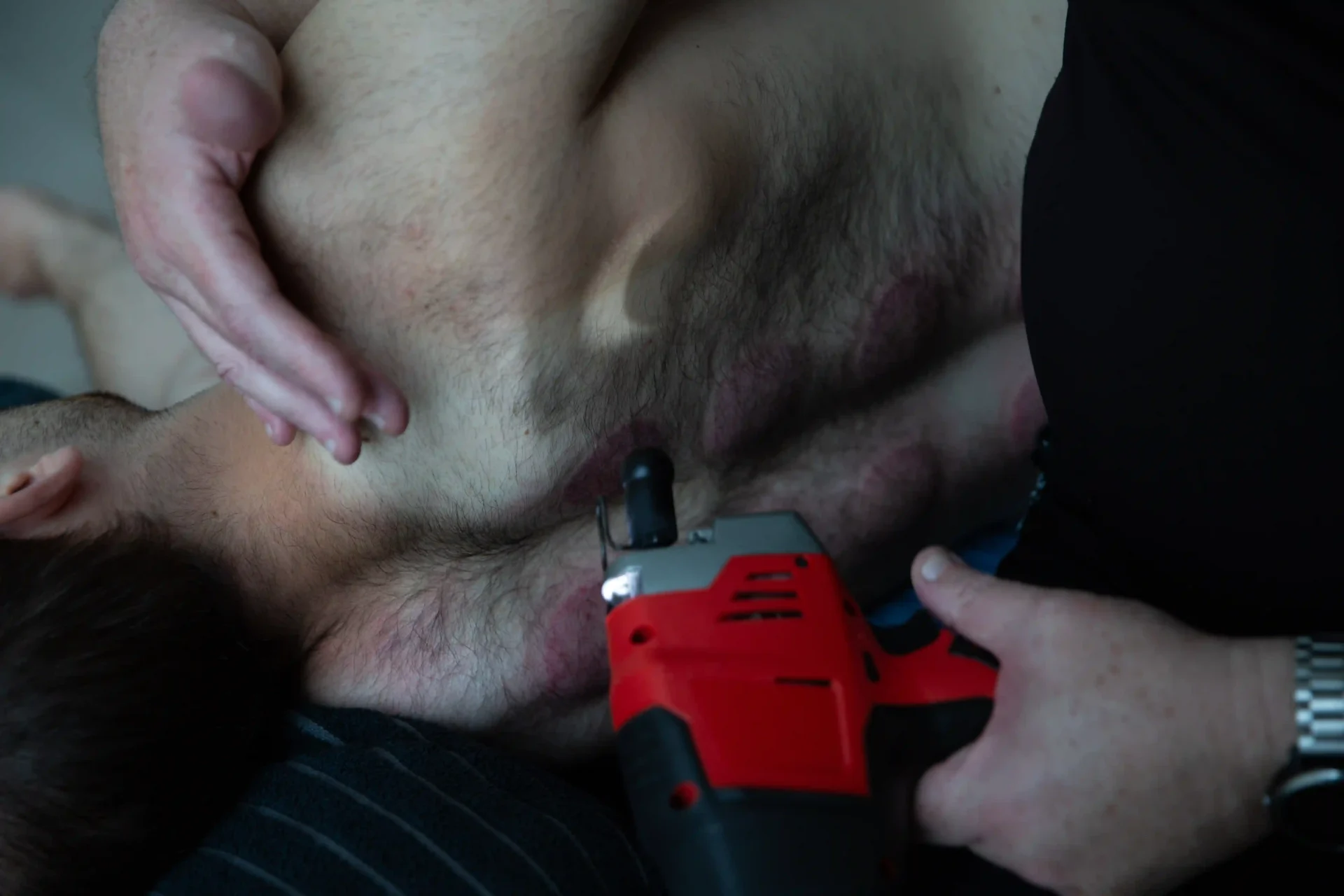
Why tools and vibration may be used
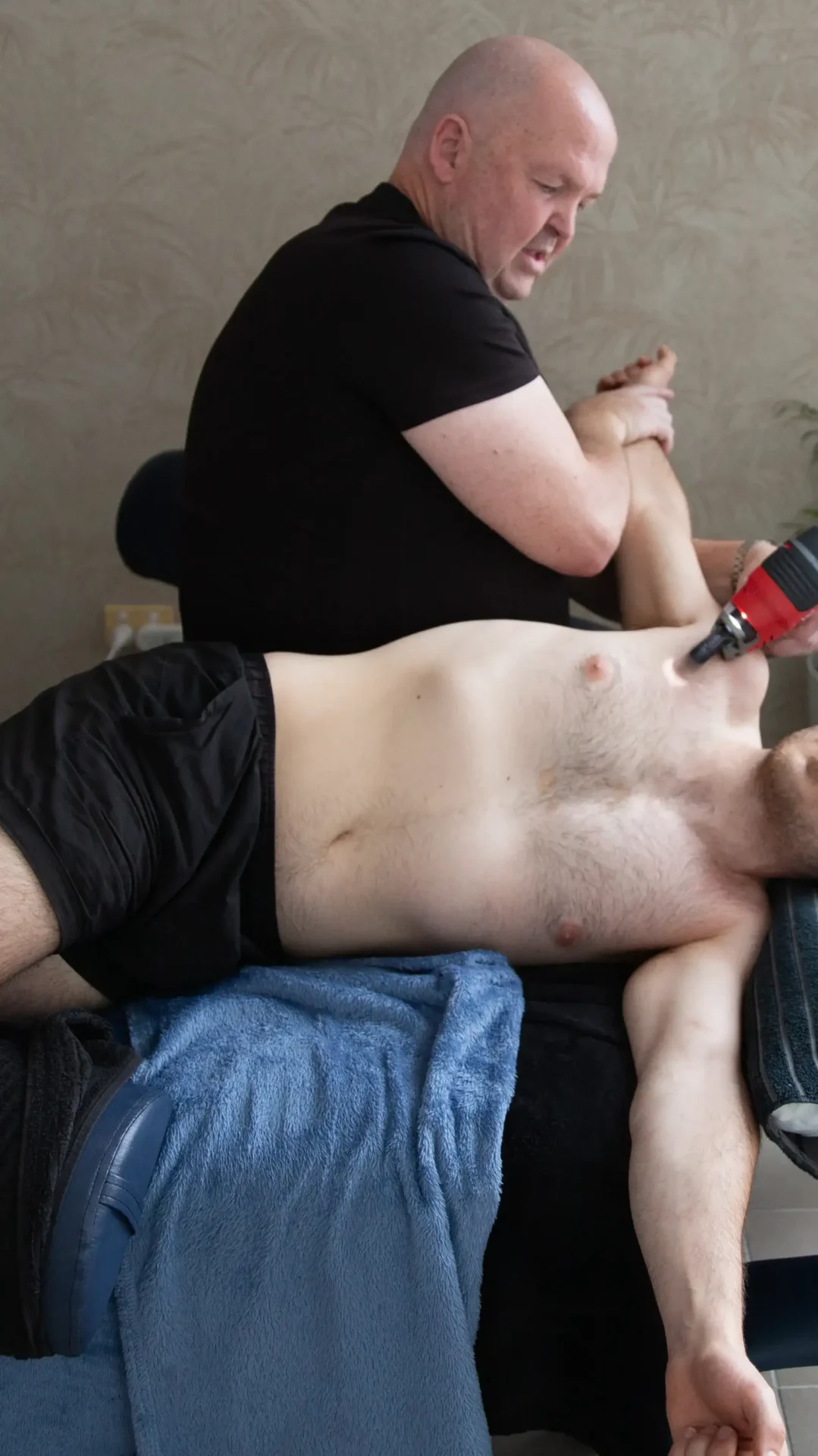
In some cases, brief percussive input or tools like the Muscle Liberator are used as part of this approach.
They’re not used to “break down” tissue or treat large areas. Instead, they provide a controlled sensory signal that can help reduce excessive muscle guarding.
When the body stops over-reacting, guided movement is used straight away to reinforce a new, easier pattern.
The tool supports the process — it isn’t the treatment by itself.
Who this approach is often helpful for
This approach may suit you if you:
- feel stiff or restricted most days
- notice pain that keeps returning
- feel unbalanced or guarded when moving
- find massage or stretching helps briefly but doesn’t last
- want to understand why movement feels difficult
It may not be suitable if you:
- have a recent fracture or surgery with movement limits
- have rapidly worsening nerve symptoms
- There has been recent trauma where medical review is needed
- cannot tolerate light vibration or touch
If you’re unsure, that uncertainty is part of the conversation.
Changes people commonly notice
Responses vary, but people often report:
- movement feels less restricted
- reduced muscle bracing
- smoother, more confident movement
- less flare-up after daily activity
Sometimes the biggest change is that a movement no longer feels risky — which makes everything else easier.
How this fits alongside other treatments
Coaching the Body isn’t a replacement for remedial massage. It’s one way of working within it.
A session may include:
- soft-tissue work to settle sensitivity
- targeted input to reduce guarding
- Muscle Energy Technique to improve movement control
This helps turn short-term relief into something that carries over into everyday movement.
Where this approach comes from
Coaching the Body is a movement-based approach developed and taught by Chuck Duff from Coaching The Body® CTB Institute, with further teaching and collaboration by Doug Ringwald.
The way this work is used in sessions reflects principles I’ve spent several years studying, practising, and applying in a clinical setting. While this is not my own method, it strongly shapes how I assess movement, understand pain patterns, and guide treatment.
The focus is not on following a rigid technique, but on applying these principles in a way that fits the person in front of me.
Last reviewed: June 2026
Next steps
Book online at pcrmt.splose.com/online-booking/0a1e4760-b674-487c-9cd5-b0f2617e15a9
Will it be painful?
It shouldn’t feel sharp or threatening. Everything is adjusted to your tolerance.
FAQs
What is Coaching the Body Technique, and where does it come from?
Coaching the Body is a movement-focused approach developed and taught by Chuck Duff at the Coaching the Body Institute, with further teaching and collaboration by Doug Ringwald. It uses an understanding of how trigger points influence movement and how the nervous system organises protective responses to guide treatment. I trained directly in this methodology, and it has strongly shaped how I assess movement, understand pain patterns, and structure sessions. It is not a rigid protocol but a way of thinking about why the body organises itself the way it does when pain or restriction is present.
How is Coaching the Body different from standard trigger point therapy?
Standard trigger point therapy focuses on applying pressure to specific tight or sensitive areas within a muscle to reduce local tension. Coaching the Body looks at how those trigger points are affecting movement and coordination across the whole body rather than treating individual spots in isolation. The question being asked is not just "where is the tightness?" but "why is the body organising itself this way, and what would help it feel safe enough to move differently?"
What if pain is present but nothing shows up on scans or tests?
This is a common situation and one where a movement-focused approach often helps. Scans and tests look for structural changes, but pain can be driven by how the nervous system is responding rather than by tissue damage that shows up on imaging. When the body is protecting an area, it limits movement and increases sensitivity in ways that feel very real but may not correspond to anything visible on a scan. Coaching the Body works with that protective response rather than treating it as a problem to be forced past.
Is Coaching the Body Technique a form of exercise therapy?
No. Movement is used within sessions, but it is guided and supported rather than prescribed as a workout. The aim is to find positions and movements where the body feels less guarded and use that as a starting point for restoring easier, more coordinated movement. You are not being coached to exercise differently. The work happens within the session itself, and any changes in how you move or feel are a result of the treatment process rather than a home programme.
What does a Coaching the Body session typically involve?
Sessions usually include hands-on assessment to understand what is driving the pattern of restriction or pain, targeted input to specific areas to help reduce guarding, and guided movement to see how the body responds once that input is applied. The combination of manual work and movement helps the nervous system feel safer about allowing a different pattern. Sessions feel calm and deliberate rather than forceful. Nothing is pushed past what the body is willing to allow.
Why does stiffness sometimes return quickly after treatment, and can Coaching the Body help with that?
Stiffness that returns quickly after treatment is often driven by the nervous system continuing to protect an area rather than by tissue that has not been adequately treated. If the body's protective response is the primary driver, repeated hands-on work that addresses the tissue without changing the underlying pattern tends to produce short-lived results. Coaching the Body addresses both sides of this by using manual input to reduce local sensitivity and guided movement to help the nervous system recognise that a different pattern is available and safe.